What a joint development agreement is
In a joint development agreement (JDA), a landowner contributes the land and a developer contributes the construction, approvals and marketing. Instead of selling the land, the owner receives an agreed share of the finished building: flats, built-up area or sometimes revenue. It is a popular way for families in Hyderabad to turn an old house or a plot into apartments without investing their own money in construction.
How the share is decided
The sharing ratio between landowner and developer is negotiated for each project. It depends on the land value and location, the road width (which affects how many floors are allowed), the type of project and who pays for what. Ratios vary widely across the city, so get advice and compare more than one proposal rather than accepting the first figure offered.
Agree clearly which flats or which floors go to the owner, their facing and position in the building, and how car parking is shared. The best flats and the worst flats should not all land on one side.
Clauses that protect the landowner
A strong JDA usually covers:
- A completion timeline with a penalty or compensation for delay.
- A detailed specification annexure: structure, flooring, doors, fittings, lifts, generator and so on, by brand where possible.
- Who obtains and pays for building permission, other approvals and utility connections.
- Any refundable security deposit (goodwill advance) paid to the owner and when it is returned.
- The scope of any power of attorney given to the developer, ideally limited to the developer's share.
- What happens if the developer abandons the project.
- Rent or temporary accommodation if the owner's existing house is demolished.
Approvals and RERA
The developer normally obtains building permission in coordination with the owner. Projects above the thresholds in the Real Estate (Regulation and Development) Act, broadly where the land exceeds 500 square metres or the project has more than eight apartments, must be registered with Telangana RERA before flats are advertised or sold. Ask for the RERA registration number.
Tax: talk to your CA early
A JDA has income tax implications for the landowner, including capital gains on the land transferred and GST considerations on the development. The rules on when tax becomes payable are specific, so discuss the structure with a chartered accountant before signing, not after.
Check the developer, not just the offer
Visit the developer's completed buildings, speak to people living there, and look at how long their past projects took. The quality of construction will stay with you and your tenants for decades.
How BBMC can help
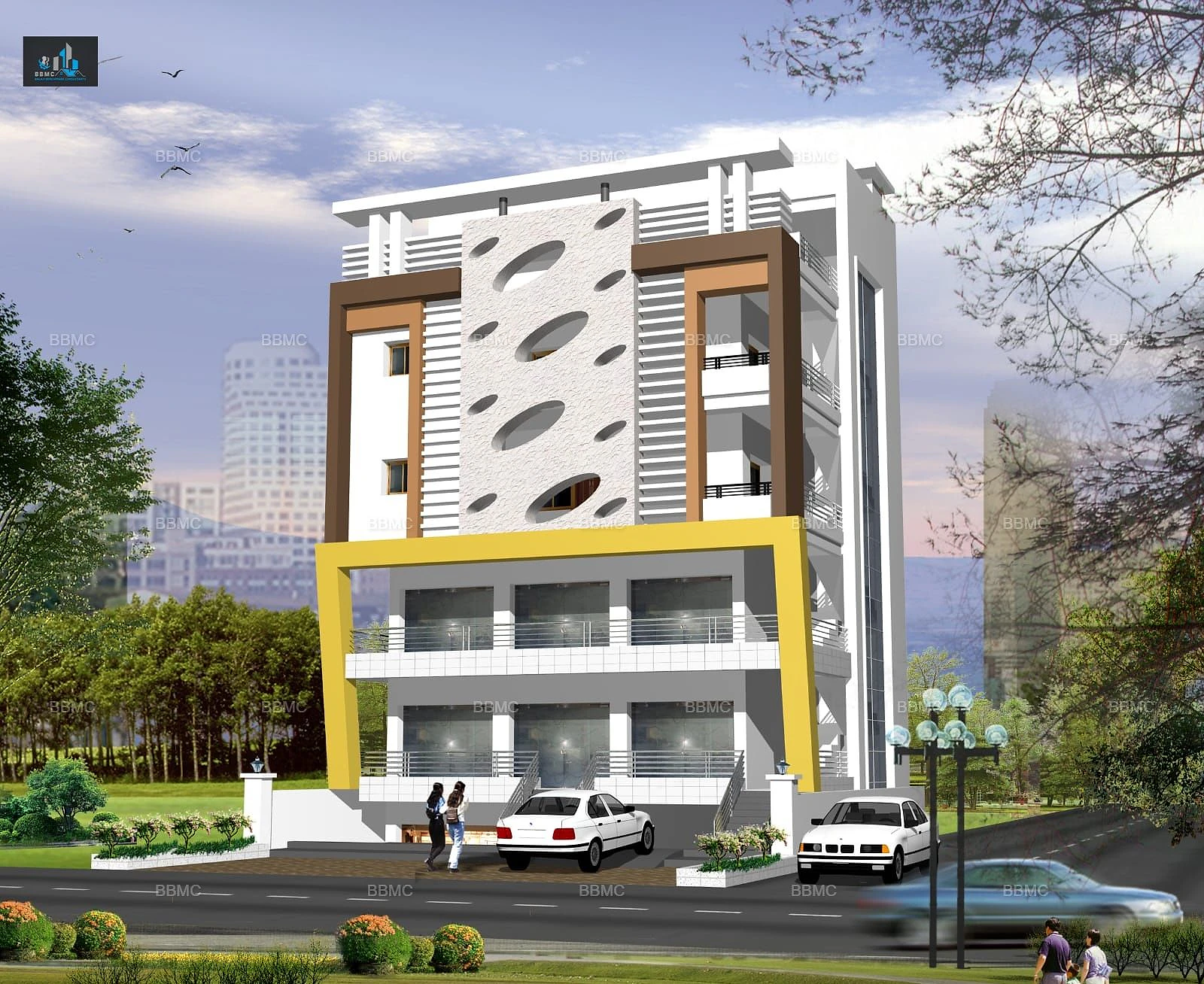
BBMC works as builders and developers, and also as independent architects and engineers. Landowners come to us to evaluate how many floors and flats their plot can support, to review a developer's drawings and specifications, or to develop the property with us directly. Call or WhatsApp us with your plot details for an initial discussion.